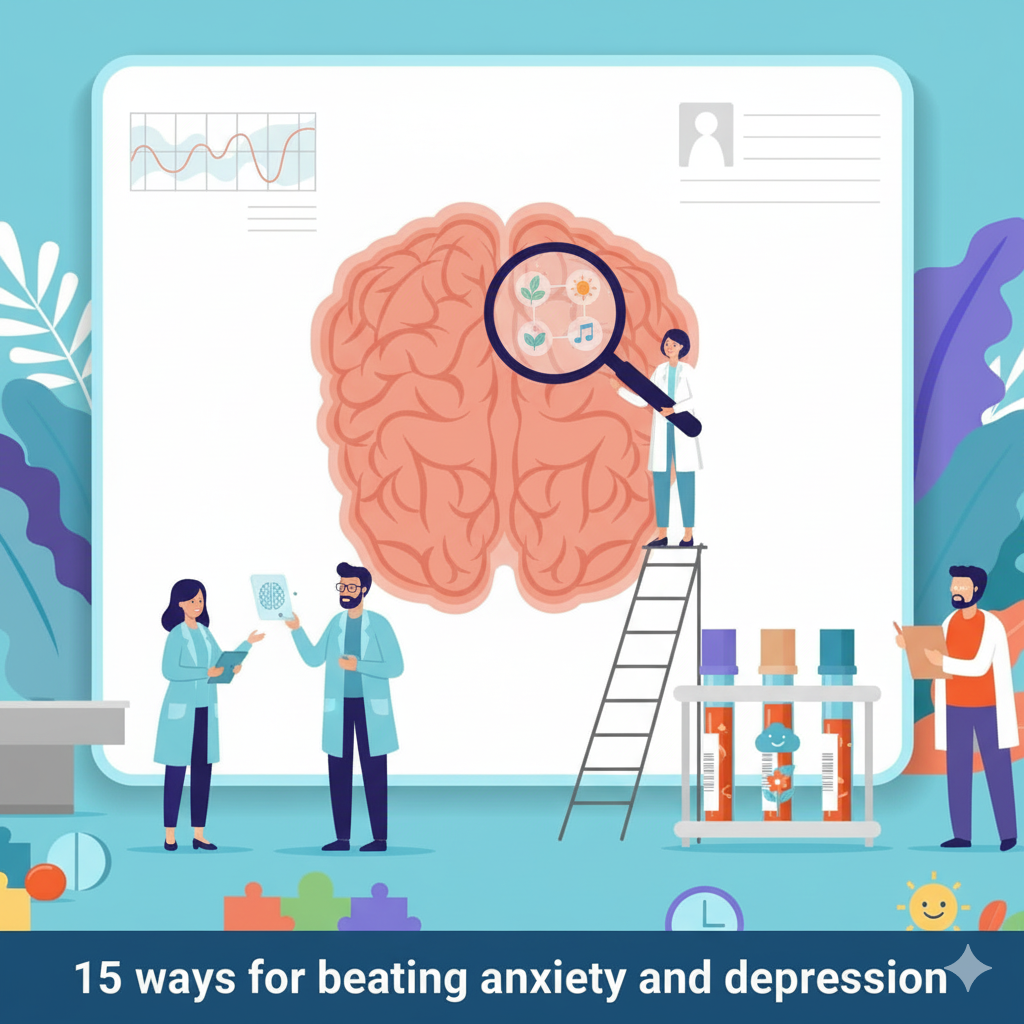
15 Proven Ways to Overcome School Depression and Academic Stress
Do you or someone you know feel trapped under the pressure of school or college life? Between grades, exams, social challenges, and personal expectations, student life can feel overwhelming. For many, it leads to a deep sense of exhaustion, sadness, or even depression.
According to organizations like the Mayo Clinic and the American Psychological Association (APA), depression among students is more common than ever — but the good news is that it’s also manageable. By following simple, research-backed strategies, you can protect your mental health even in a stressful academic environment.
Let’s explore 15 powerful ways to manage depression and emotional burnout in school life — each one designed to help you feel better, think clearer, and stay motivated.
Understanding Depression in Students
Depression is not “laziness” or “weakness.” It’s a serious mood disorder that affects how you think, feel, and act. For students, it often appears as loss of interest in studies, tiredness, irritability, or emotional numbness. Recognizing it early can make all the difference.
15 Ways to Manage School Depression and Stress
🧠 1. Talk to a Counselor or Therapist
Research shows that speaking with a school counselor or therapist is one of the most effective steps toward managing depression. These professionals listen without judgment and help you process emotions in a healthy way. Therapy teaches coping skills that empower you to handle both personal and academic stress more effectively.
📅 2. Create a Study Routine — and Stick to It
Having a structured routine gives your mind a sense of stability and control. Studies reveal that students who follow a daily schedule experience less anxiety and higher focus. Set fixed study times, breaks, and bedtime — and follow them consistently. Structure creates calm.
🧩 3. Break Tasks Into Manageable Chunks
Ever felt overwhelmed by assignments or exams? Try dividing large tasks into smaller, achievable steps. When you complete even a small task, your brain releases dopamine — the motivation chemical. It keeps you focused, productive, and less stressed.
✅ 4. Start With the Easiest Task First
Begin your day with something simple. Completing an easy task builds momentum and boosts confidence, making it easier to handle tougher challenges later. Small wins lead to big progress.
📵 5. Limit Distractions During Study Time
Constant notifications can break your focus and increase stress. Studies suggest that turning off your phone or keeping it away during study sessions improves concentration dramatically. Try a “no-phone” rule during homework time — and notice the difference.
These first five steps help you create structure and clarity — essential tools to manage both school stress and mild depression. Try them for one week and you’ll already feel the shift.
🏃 6. Stay Physically Active Between Study Sessions
Light activity like walking, stretching, or quick workouts can reset your mind. Harvard Medical research confirms that physical activity improves mood by releasing endorphins, natural chemicals that make you feel happier. Movement keeps both your body and brain energized.
😴 7. Get Enough Sleep
Sleep is one of the most powerful mental health tools you have. Lack of sleep increases irritability and sadness, while good sleep restores balance. Aim for 7–9 hours each night — your brain and body will thank you.
🤝 8. Seek Peer Support
Sometimes talking to a friend or classmate can be as healing as therapy. Sharing your struggles builds connection and reminds you that you’re not alone. Peer support increases your sense of belonging — a key factor in fighting depression.
🎯 9. Set Realistic Academic Goals
Unrealistic expectations can lead to frustration and burnout. Set achievable goals that challenge you — but don’t crush you. Research shows that realistic goals boost self-esteem and reduce anxiety.
🥗 10. Eat a Balanced Diet
Your diet affects your mood more than you think. Nutrients like Omega-3 fatty acids, magnesium, and vitamins help balance brain chemicals responsible for happiness. Focus on whole foods, fruits, vegetables, and hydration to keep your energy steady.
These next five strategies work together to restore balance — emotionally, physically, and mentally. They’re your foundation for long-term wellness.
🌞 11. Practice Gratitude and Positivity
Writing down three things you’re grateful for each day can shift your mindset. Studies prove that gratitude increases positivity and emotional resilience. It trains your brain to focus on what’s working, not just what’s missing.
📚 12. Stay Organized With Your Schoolwork
A cluttered desk equals a cluttered mind. Keeping your study space tidy helps reduce chaos and improves focus. Organization gives you mental clarity and reduces the stress of “where did I put that?” moments.
🎨 13. Get Involved in Extracurricular Activities
Joining a school club, sport, or art group gives you a sense of purpose and belonging. Research shows that active participation improves mood and helps build supportive friendships — both powerful tools against depression.
💬 14. Avoid Negative Self-Talk
How you talk to yourself shapes how you feel. Replace harsh thoughts like “I’m not good enough” with affirmations such as “I’m learning and improving every day.” Positive self-talk rewires your brain for confidence and calmness.
🎉 15. Celebrate Small Wins
Finished an assignment? Studied for an hour without distraction? Celebrate it! Acknowledging small achievements activates your brain’s reward system, releasing dopamine and building motivation. Every small step matters.
How These Strategies Help
Each of these 15 steps is backed by science and psychology. They help you manage depression by restoring control, structure, and positive emotion to your daily routine. Implementing even a few can significantly reduce school-related stress and improve your overall well-being.
Remember, fighting depression is not about perfection — it’s about progress. Be patient with yourself. Healing takes time, and even small efforts make a big difference.
Final Message
School life is demanding, but your mental health should always come first. If you ever feel that depression is overwhelming, don’t hesitate to reach out to a counselor, teacher, or trusted adult. You deserve help, support, and understanding.
Start small, stay consistent, and keep believing in your growth. These strategies can transform not only your mental health but also your confidence, focus, and happiness in school.
Remember: Even small steps can lead to big changes. Take care of yourself, reach out when needed, and stay positive. 🌿