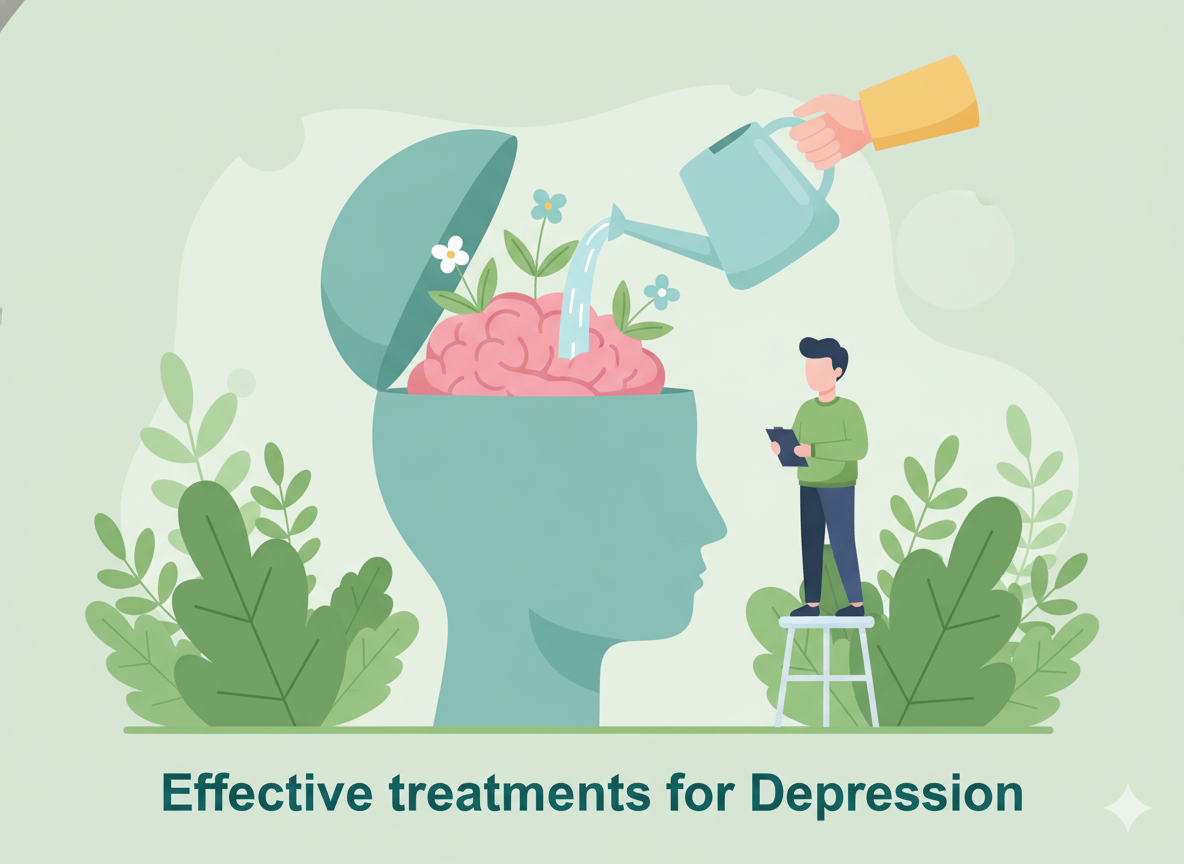
Effective Treatments for Depression
Depression is not just sadness — it is a serious mental health condition that affects how you think, feel, and function every day. If left untreated, it can make life extremely difficult. However, with the right treatment and timely support, it can be effectively managed.
In this article, we’ll explore medications, therapies, lifestyle changes, and alternative treatments that can help you overcome depression and rebuild a happier, more balanced life.
1. Medication for Depression
Medication is often one of the most common and effective approaches for treating depression but it must be taken only under the supervision of a qualified psychiatrist or doctor.
Each medication works differently and affects every person in a unique way. Psychiatrists carefully evaluate your symptoms, history, and overall health before deciding whether medication is necessary. Once prescribed, consistency is key stopping medication early or skipping doses can delay recovery.
It’s important to remember that antidepressants don’t work overnight. Most take several weeks to show full benefits, and patience plays a huge role in this healing journey.
2. The Role of Therapy
Therapy is another cornerstone of depression treatment. It helps you understand your emotions, change negative thought patterns, and regain emotional control. Let’s explore some of the most effective forms of therapy used today.
💭 Cognitive Behavioral Therapy (CBT)
CBT helps you identify and challenge negative thinking patterns. With your therapist, you learn to replace those thoughts with more balanced and positive ones. Over time, CBT helps you build confidence and emotional resilience, reducing depressive symptoms significantly.
🧠 Dialectical Behavioral Therapy (DBT)
DBT is an advanced form of CBT. It teaches you to understand and accept your emotions rather than fighting them. You learn emotional regulation, mindfulness, and interpersonal skills that help you manage intense feelings effectively.
🪞 Psychodynamic Therapy
This therapy focuses on uncovering unconscious thoughts and past experiences — especially from childhood — that continue to affect your current emotions and behaviors. It helps you gain insight into unresolved inner conflicts and find long-term emotional healing.
🤝 Interpersonal Therapy (IPT)
IPT focuses on improving your relationships and communication skills. Many times, depression worsens due to unresolved conflicts, loneliness, or life changes. IPT helps you rebuild strong, healthy connections and reduce emotional distress.
3. Lifestyle Changes for Better Mental Health
Medication and therapy are essential, but lifestyle changes play a powerful supporting role. A healthy body can strengthen your mind’s ability to heal.
🏃 Regular Physical Activity
Exercise is one of the best natural antidepressants. Engaging in physical activity at least five times a week helps release endorphins chemicals that naturally boost your mood. Even simple activities like walking, yoga, or cycling can significantly improve emotional well-being.
🥗 Balanced Diet and Quality Sleep
Eating nutritious food and maintaining proper sleep are crucial. A healthy diet rich in fruits, vegetables, whole grains, and proteins supports brain chemistry. Meanwhile, getting 7–9 hours of sleep each night helps restore emotional balance and energy levels.
💊 Nutritional Support
Certain nutrients play a major role in maintaining mental health. Omega-3 fatty acids, and vitamins B and D, are especially beneficial. Omega-3s reduce depressive symptoms, while B and D vitamins improve brain function and stabilize mood. Including these in your diet or through supplements can help maintain emotional strength.
🧘 Mindfulness and Meditation
Mindfulness techniques train your brain to focus on the present moment, reducing overthinking and stress. Regular meditation helps manage negative thoughts and promotes inner peace. Studies show that mindfulness can be as effective as medication in preventing relapse.
4. Advanced Treatment Options
Sometimes, medication and therapy may not be enough. In such cases, psychiatrists may recommend advanced medical treatments that directly target brain function. Let’s look at two scientifically proven options.
⚡ Electroconvulsive Therapy (ECT)
ECT is a medical treatment used for severe or treatment-resistant depression. It involves sending controlled electrical currents to the brain under anesthesia, helping “reset” brain activity and improve mood. ECT is performed in multiple sessions under hospital supervision and has helped many patients who did not respond to standard treatments.
🧲 Repetitive Transcranial Magnetic Stimulation (rTMS)
rTMS uses magnetic pulses to stimulate specific areas of the brain responsible for mood regulation. It is a non-invasive procedure and can be effective for people who don’t respond to medication. By improving brain activity, rTMS helps reduce depressive symptoms and enhances emotional balance.
5. Combining Treatments for the Best Outcome
There is no single “perfect” treatment for depression. The best results often come from a combination of medication, therapy, and lifestyle adjustments. Each individual’s recovery journey is unique, and what works for one person might differ for another.
However, consistency and follow-through are key. Regular therapy sessions, timely medication, proper diet, physical exercise, and mindfulness practices together create a holistic approach to healing.
6. The Importance of Seeking Help Early
The earlier depression is recognized and treated, the better the outcome. Early treatment prevents symptoms from worsening and reduces the chances of relapse. Ignoring depression can affect your physical health, relationships, and productivity making life much harder over time.
So, don’t hesitate to reach out for help. Talk to your doctor, school counselor, or a mental health professional. Remember seeking help is not a sign of weakness; it’s a sign of strength.
7. You Are Not Alone 💜
Depression can make you feel isolated, but you’re never truly alone. Millions of people experience it and recover every day with the right care and patience. Reach out to support groups, stay connected with loved ones, and believe that healing is always possible.
As “Mental health recovery is not about rushing. It’s about taking small, steady steps toward balance and peace.”
If this article helped you, share it with others who might need guidance. Together, we can spread awareness and break the stigma around mental health.
🌿 Final Thoughts
Depression is treatable. Whether through therapy, medication, or lifestyle changes, there’s always a path forward. Take one step at a time recovery is not linear, but it’s always worth it. Stay hopeful, stay consistent, and take care of yourself. You deserve peace and happiness.