🧠 How Stress Affects Your Mind and Brain and 15 Ways to Reset It
Stress is one of the most common challenges in modern life. While a little pressure can motivate you, chronic stress harms your brain, mind, and emotional health. Understanding how it affects you — and how to reset — is key to living a balanced life.
1. Understanding Stress: The Hidden Enemy
Stress is the body’s natural reaction to challenges. It helps you stay alert and focused, but when stress becomes constant, it quietly reshapes your brain and emotions. Long-term stress can reduce your ability to think clearly, handle emotions, and make decisions calmly.
2. How Stress Affects the Brain
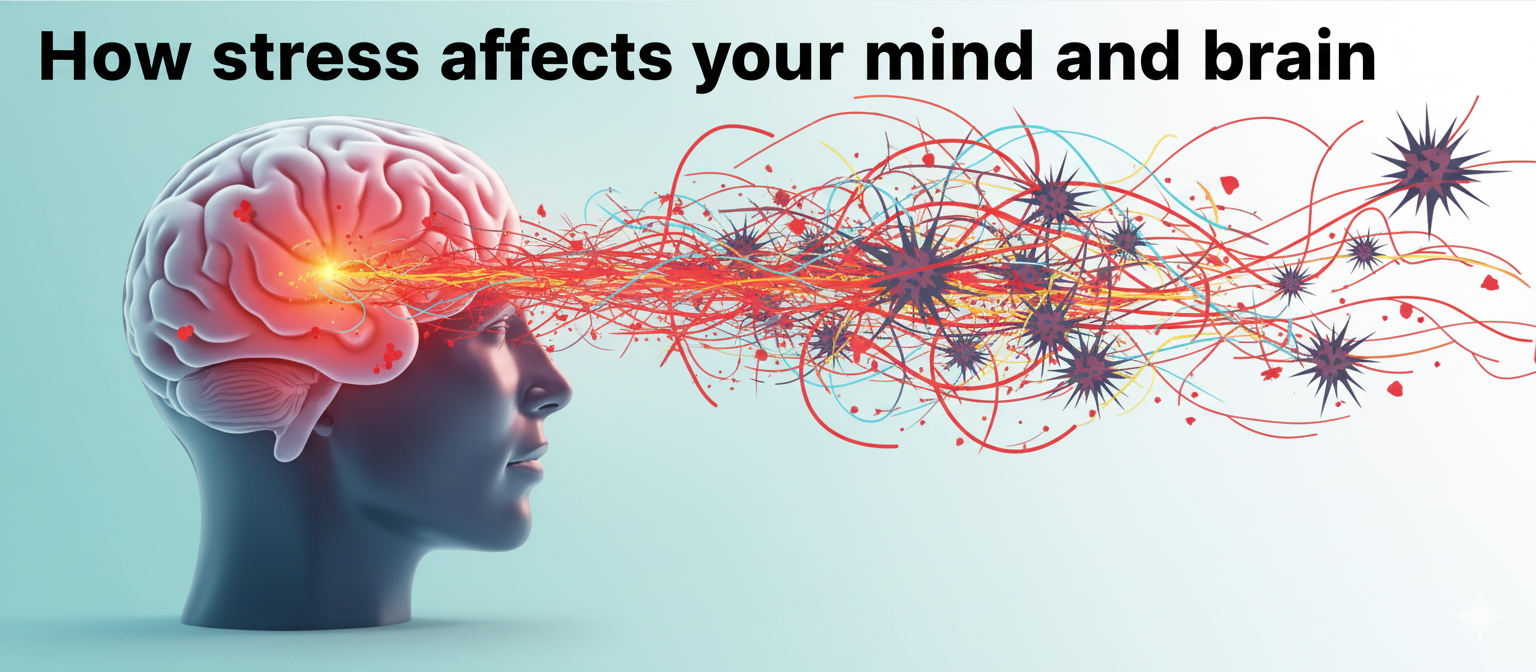
When you’re under stress, your brain releases hormones like cortisol and adrenaline. These chemicals prepare you to respond quickly — but over time, they damage your neurons and affect brain function. Here’s what happens:
- Memory and focus weaken over time.
- Your brain forms fewer new connections.
- Emotional balance becomes harder to maintain.
- Creativity and problem-solving decrease.
- Sleep and energy levels drop.
Eventually, your brain gets stuck in “survival mode,” making calm thinking difficult.
3. How Stress Affects the Mind
Stress doesn’t just change your brain — it changes your thoughts. You may start overthinking, doubting yourself, or feeling emotionally numb. Your mind begins to focus on “what ifs,” increasing anxiety and negative thinking patterns.
- Constant worry or mental chatter
- Difficulty making decisions
- Low self-esteem or guilt
- Feeling detached or emotionally drained
4. Physical Signs of Stress
Your body often shows what your mind hides. Chronic stress can lead to:
- Headaches and muscle tension
- Digestive problems
- Rapid heartbeat and high blood pressure
- Fatigue and poor sleep
- Weakened immunity and frequent illness
5. 15 Ways to Reset Your Mind and Brain
These simple and effective techniques can help restore calm and balance:
- Deep Breathing: Breathe slowly to calm your nervous system and lower cortisol.
- Meditation: Focus on the present moment to quiet mental noise.
- Exercise: Physical activity releases endorphins that elevate mood.
- Get Enough Sleep: Rest allows your brain to repair and reset.
- Eat Brain-Healthy Foods: Include nuts, fish, and greens in your diet.
- Stay Hydrated: Water helps balance hormones and boost focus.
- Limit Caffeine and Sugar: Too much can spike anxiety and fatigue.
- Practice Gratitude: Write three things you’re thankful for each day.
- Disconnect Digitally: Take time away from screens to recharge your mind.
- Spend Time in Nature: Fresh air and greenery reduce stress levels.
- Talk to Loved Ones: Sharing your feelings restores emotional support.
- Journal Your Thoughts: Writing brings clarity and releases inner tension.
- Listen to Calming Music: Soothing sounds relax the brain and heart.
- Laugh More: Laughter naturally resets your emotional energy.
- Seek Professional Help: Therapy or counseling can help you heal deeply.
6. Building a Stress-Free Lifestyle
To stay balanced, focus on consistency rather than perfection. Include moments of peace throughout your day — a short walk, quiet tea time, or mindful breathing. Prioritize rest and self-care like you would any important task. Balance comes from small, steady choices.
7. When to Seek Professional Help
If stress interferes with your sleep, work, or relationships, it may be time to reach out for help. Therapists and mental health professionals can guide you through practical coping methods and deeper healing.
8. Final Thoughts
Stress is a part of life, but suffering doesn’t have to be. By understanding how stress affects your mind and brain — and by practicing these daily resets — you can rebuild clarity, calm, and confidence. Healing begins when you choose to pause, breathe, and care for yourself again.