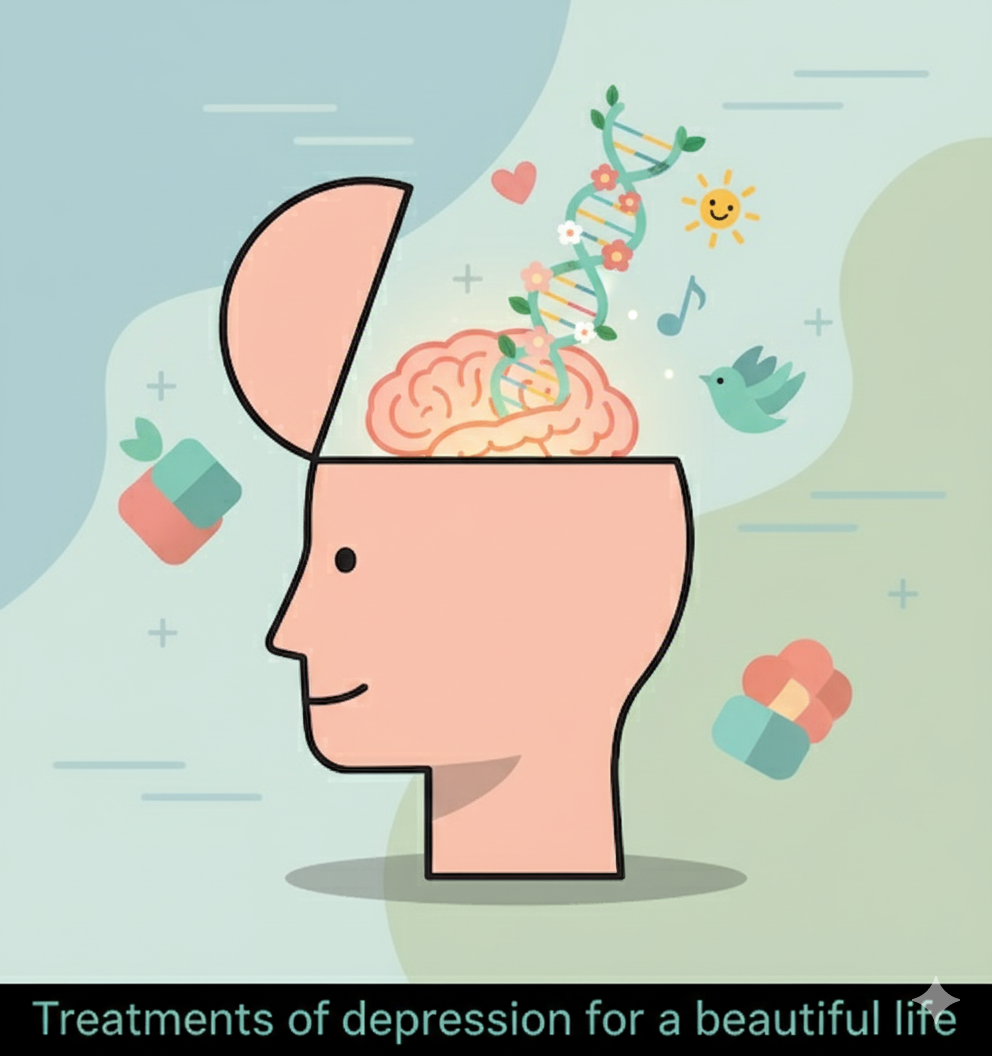
Bipolar Disorder Explained: Signs, Causes & Proven Treatments for a Balanced Life
Have you ever experienced extreme mood swings — days when you feel unstoppable, confident, and full of energy, followed by periods of deep sadness, hopelessness, or exhaustion? These emotional highs and lows could be more than just mood changes; they might be signs of bipolar disorder. Understanding this mental health condition is essential because early recognition and treatment can make life much more stable, productive, and fulfilling.
What Is Bipolar Disorder?
Bipolar disorder is a complex mental health condition characterized by intense shifts in mood, energy, activity levels, and the ability to carry out daily tasks. These mood episodes range from mania or hypomania (the highs) to depression (the lows). It affects millions of people worldwide and can occur in both men and women, often beginning in late adolescence or early adulthood.
Types of Bipolar Disorder
Bipolar disorder is not the same for everyone. Mental health experts classify it into three main types, each with its own pattern of mood episodes.
🌤️ Bipolar I Disorder
This form involves at least one manic episode that may last for a week or more and may require hospitalization. Depressive episodes usually occur as well but are not mandatory for diagnosis. During mania, a person may feel euphoric, highly energetic, or even irritable and detached from reality.
🌦️ Bipolar II Disorder
People with Bipolar II experience both depressive episodes and hypomanic episodes — a milder version of mania. Hypomania doesn’t cause psychosis or require hospitalization but can still disrupt daily life and relationships.
☁️ Cyclothymic Disorder
This is a milder but chronic form of bipolar disorder involving frequent mood swings between mild depression and hypomania for at least two years. Although symptoms are less severe, they can still affect emotional well-being and quality of life.
Key Symptoms of Bipolar Disorder
Bipolar disorder consists of two contrasting states — manic/hypomanic episodes and depressive episodes. Understanding both is crucial to recognizing the disorder early.
🔥 Symptoms of Mania or Hypomania
- Unusually elevated, euphoric, or irritable mood
- Increased energy and activity levels
- Inflated self-esteem or grandiose thoughts
- Decreased need for sleep (feeling rested after just a few hours)
- Rapid or pressured speech and jumping between topics
- Racing thoughts or difficulty focusing
- Impulsive and risky behavior — such as overspending or reckless driving
- In severe cases, hallucinations or delusions (loss of touch with reality)
🌧️ Symptoms of Depressive Episodes
- Persistent sadness, hopelessness, or emptiness
- Loss of interest in once-enjoyable activities
- Changes in appetite or significant weight fluctuation
- Insomnia or sleeping too much
- Fatigue or low energy levels
- Difficulty concentrating or making decisions
- Feelings of guilt, worthlessness, or self-doubt
- Thoughts of death or suicide
Causes and Risk Factors
While the exact cause of bipolar disorder isn’t fully understood, researchers have identified several contributing factors that increase risk:
🧬 Genetic Factors
Bipolar disorder often runs in families. If a parent or sibling has the condition, the risk of developing it is higher. However, genetics alone do not determine whether someone will experience bipolar disorder.
🧠 Biological Differences
Brain imaging studies show structural and chemical differences in people with bipolar disorder. These variations affect how the brain regulates emotions, stress, and energy levels.
🌍 Environmental Triggers
Stressful events, trauma, substance abuse, or major life changes — such as a breakup, job loss, or bereavement — can trigger mood episodes, especially in individuals already vulnerable to the disorder.
Diagnosis: How Bipolar Disorder Is Identified
Diagnosis typically involves a thorough mental health evaluation by a psychiatrist or psychologist. This may include:
- Detailed discussion of symptoms and personal history
- Family history of mental health issues
- Physical exams to rule out other medical causes
- Psychological assessments or mood-tracking tools
Accurate diagnosis is crucial because bipolar disorder is often misinterpreted as depression or anxiety. Misdiagnosis can delay proper treatment and worsen symptoms.
Effective Treatments for Bipolar Disorder
The good news is that bipolar disorder is manageable. With the right combination of treatment and support, most individuals can lead balanced, productive lives.
💊 Medication
Medications are a cornerstone of bipolar disorder treatment. They help stabilize mood and reduce the frequency and intensity of episodes. Common medications include:
- Mood stabilizers (e.g., lithium, valproate)
- Antipsychotic drugs for manic symptoms
- Antidepressants for depressive episodes (used cautiously)
🗣️ Psychotherapy (Talk Therapy)
Therapy helps individuals understand their emotions, manage stress, and build coping skills. Common approaches include:
- Cognitive Behavioral Therapy (CBT) – helps identify and replace negative thought patterns.
- Interpersonal and Social Rhythm Therapy (IPSRT) – focuses on maintaining daily routines and stable sleep patterns.
- Family therapy – improves communication and support within the home environment.
💡 Advanced Treatments
For severe or treatment-resistant cases, advanced methods can help:
- Electroconvulsive Therapy (ECT) – a safe, hospital-based procedure for severe depression or mania.
- Transcranial Magnetic Stimulation (TMS) – uses magnetic pulses to stimulate mood-regulating brain areas.
Lifestyle Changes That Support Recovery
🏃 Regular Physical Activity
Exercise boosts endorphins and reduces stress. Aim for at least 30 minutes of moderate activity most days of the week.
🥗 Balanced Nutrition
A diet rich in omega-3 fatty acids, vitamin B, and vitamin D can improve brain health. Avoid excessive caffeine, alcohol, and processed foods.
🛌 Consistent Sleep Schedule
Irregular sleep can trigger mood episodes. Maintain a consistent bedtime and wake-up routine to regulate mood naturally.
🧘 Mindfulness and Meditation
Mindfulness practices and meditation reduce stress, increase self-awareness, and help manage emotional fluctuations.
💬 Strong Support System
Staying connected with supportive friends, family, or a community group can make a significant difference in maintaining emotional stability.
When to Seek Help
If you or someone you know is showing signs of bipolar disorder — extreme mood swings, risky behaviors, or prolonged depression — seek professional help immediately. Early intervention improves long-term outcomes and prevents severe episodes.
Conclusion: You’re Not Alone
Bipolar disorder can be challenging, but with awareness, consistent treatment, and lifestyle balance, recovery is entirely possible. Remember, seeking help is not a sign of weakness — it’s a courageous step toward a stable, fulfilling life.
Stay informed, stay hopeful, and never hesitate to reach out for professional guidance. Mental health deserves the same care and attention as physical health.